

Shalom Medical Team
Shalom Hospital
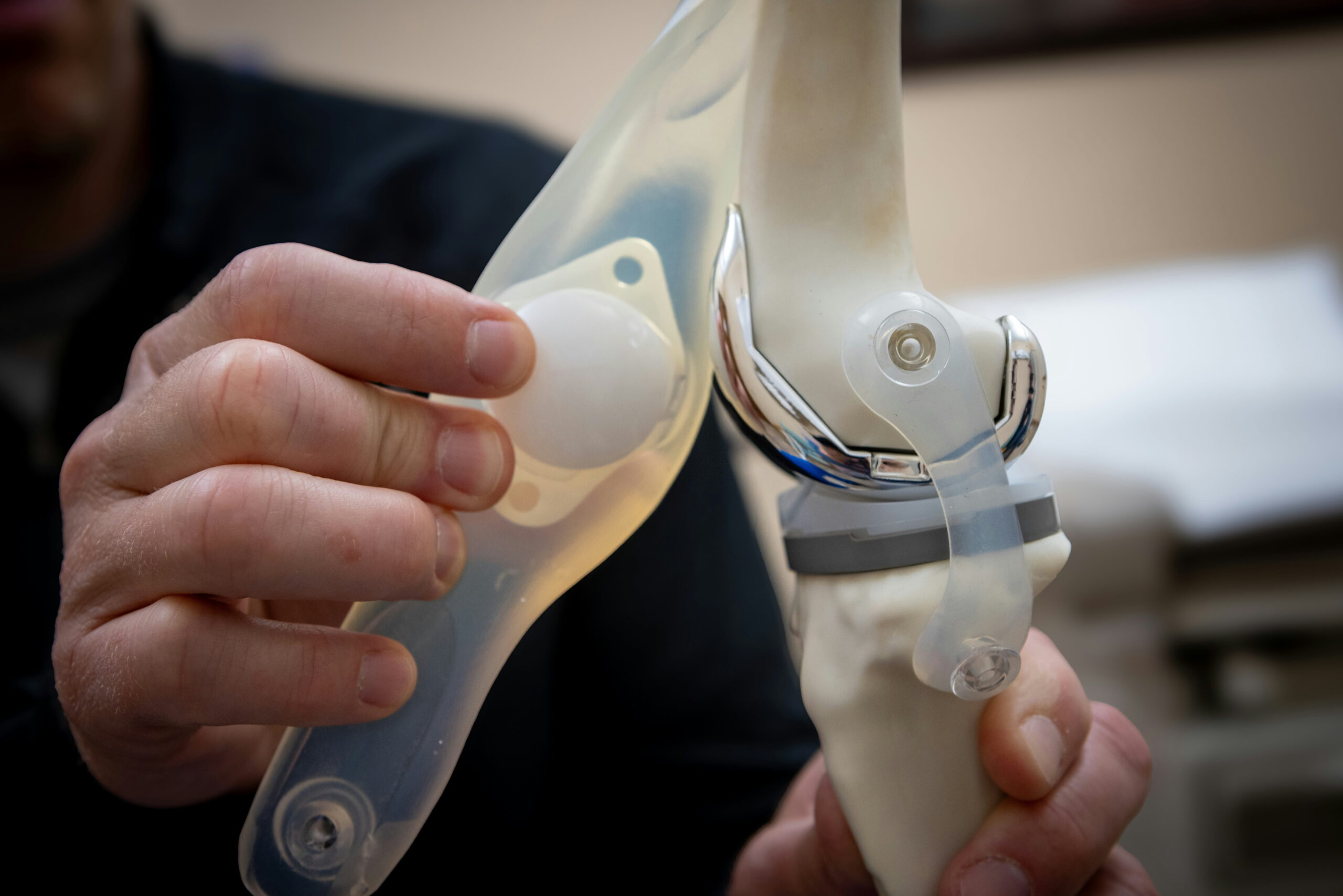
Knee pain can slowly take away your independence. Climbing stairs becomes difficult, walking short distances feels exhausting, and even getting out of a chair may become painful. While medications, physiotherapy, and lifestyle changes help many people, some eventually reach a point where these treatments no longer provide adequate relief.
For individuals with severe knee joint damage, knee replacement surgery can significantly reduce pain, restore mobility, and improve quality of life.
This guide explains who may benefit from knee replacement surgery, what happens before and after the procedure, the risks involved, recovery expectations, and how to achieve the best long-term outcome.
What Is Knee Replacement Surgery?
Knee replacement surgery, also known as knee arthroplasty, is a procedure in which damaged portions of the knee joint are replaced with artificial components made of metal alloys, high-grade plastic (polyethylene), or ceramic materials.
The goal is not simply to replace the knee, but to:
- Relieve chronic pain
- Improve joint function
- Restore walking ability
- Correct deformity
- Enhance quality of life
The surgeon removes damaged cartilage and a small amount of bone, preserving as much healthy tissue as possible before placing precisely fitted implants.
Understanding the Knee Joint
The knee is the largest joint in the human body and is formed by three bones:
- Femur (thigh bone)
- Tibia (shin bone)
- Patella (kneecap)
Healthy cartilage covers the ends of these bones, allowing smooth, painless movement.
When cartilage wears away, bones rub directly against each other, leading to:
- Pain
- Swelling
- Stiffness
- Reduced movement
- Joint deformity
This damage often progresses over time.
Who Needs Knee Replacement Surgery?
Knee replacement is generally considered when symptoms become severe enough to interfere with everyday life and conservative treatments are no longer effective.
You may be a candidate if you have:
Severe Osteoarthritis
This is the most common reason for knee replacement.
Osteoarthritis occurs when cartilage gradually wears away due to aging, genetics, previous injuries, obesity, or repetitive stress.
Symptoms include:
- Pain during walking
- Morning stiffness
- Difficulty climbing stairs
- Knee swelling
- Grinding or cracking sensations
- Bow-legged or knock-kneed appearance
Rheumatoid Arthritis
Rheumatoid arthritis is an autoimmune disease in which the body’s immune system attacks the lining of the joints.
This causes:
- Persistent inflammation
- Cartilage destruction
- Bone erosion
- Joint deformity
When medications no longer adequately control symptoms, surgery may become an option.
Post-Traumatic Arthritis
Previous injuries such as:
- Knee fractures
- Ligament injuries
- Meniscus damage
may eventually lead to arthritis years later.
Severe Functional Limitation
Pain may interfere with routine activities such as:
- Walking
- Standing
- Cooking
- Shopping
- Sleeping
- Climbing stairs
- Sitting and standing
Quality of life often becomes the deciding factor.
Who May Not Need Surgery Yet?
Many patients improve without surgery.
Doctors often recommend trying:
- Weight reduction
- Physiotherapy
- Activity modification
- Walking aids
- Knee braces
- Pain-relieving medications
- Topical anti-inflammatory gels
- Corticosteroid injections (selected patients)
- Hyaluronic acid injections (benefit varies among individuals)
These treatments may relieve symptoms, although they generally do not reverse advanced arthritis.
Signs That It May Be Time to Consider Surgery
Your orthopedic surgeon may recommend surgery if:
- Pain is present every day
- Pain occurs even while resting
- Sleep is disturbed due to knee pain
- Walking distance becomes very limited
- Knee stiffness prevents normal movement
- X-rays show advanced joint damage
- Non-surgical treatments have failed
The decision should always be individualized after discussing risks, benefits, and expectations.
Types of Knee Replacement
Total Knee Replacement (TKR)
The entire knee joint is replaced.
This is the most common procedure for advanced arthritis affecting multiple compartments of the knee.
Partial Knee Replacement (PKR)
Only the damaged portion of the knee is replaced.
Suitable only when arthritis is confined to one compartment and ligaments remain healthy.
Benefits may include:
- Smaller incision
- Faster recovery
- Better preservation of normal knee movement
Not every patient is a candidate.
Revision Knee Replacement
A second surgery performed when an existing implant:
- Wears out
- Loosens
- Becomes infected
- Fails mechanically
Revision surgery is generally more complex than the initial replacement.
What Happens Before Surgery?
Your surgical team will perform a comprehensive evaluation.
This may include:
- Medical history
- Physical examination
- Knee X-rays
- Blood tests
- ECG (if indicated)
- Chest imaging (selected patients)
- Medication review
- Assessment of other medical conditions such as diabetes, hypertension, or heart disease
Patients are often encouraged to strengthen the muscles around the knee through “prehabilitation” exercises before surgery, which may aid recovery.
How Is Knee Replacement Surgery Performed?
The procedure is performed under spinal anesthesia, general anesthesia, or a combination depending on the patient’s health and anesthesiologist’s recommendation.
The surgeon:
- Makes an incision over the knee.
- Removes damaged cartilage.
- Reshapes damaged bone surfaces.
- Positions trial implants to confirm alignment and stability.
- Fixes the permanent implants, usually with bone cement or, in selected cases, cementless fixation.
- Places a smooth plastic spacer between the metal components to allow movement.
- Closes the incision.
The operation commonly takes around 1 to 2 hours, although timing varies depending on the complexity of the case.
Recovery After Surgery
Recovery begins soon after the operation.
Many patients are encouraged to:
- Sit up within hours
- Stand with assistance
- Begin walking using a walker or crutches
- Start physiotherapy on the day of surgery or the following day, depending on medical advice
Hospital stay is often 1–3 days, although this varies by patient and healthcare facility.
Physiotherapy Is Essential
Surgery alone does not restore knee function.
A structured rehabilitation program is critical.
Physiotherapy focuses on:
- Improving knee movement
- Restoring muscle strength
- Improving balance
- Walking safely
- Climbing stairs
- Returning to everyday activities
Patients who actively participate in rehabilitation generally achieve better functional outcomes.
How Long Does Recovery Take?
Recovery varies from person to person.
Typical milestones include:
| Time After Surgery | What Many Patients Can Expect |
|---|---|
| First few days | Walking with assistance |
| 2–6 weeks | Improved mobility and reduced pain |
| Around 6 weeks | Many daily activities become easier |
| 3 months | Continued improvement in strength and function |
| 6–12 months | Recovery continues as strength, flexibility, and confidence improve |
Some patients recover faster, while others—particularly older adults or those with multiple health conditions—may require more time.
Benefits of Knee Replacement
For appropriately selected patients, knee replacement can provide:
- Significant pain relief
- Improved walking ability
- Better joint alignment
- Increased independence
- Better sleep
- Easier participation in everyday activities
- Improved overall quality of life
Artificial knees do not feel exactly like a natural knee, but many people experience substantial improvement in pain and function.
Possible Risks and Complications
Every surgery carries some risk.
Potential complications include:
- Infection
- Blood clots (deep vein thrombosis or pulmonary embolism)
- Bleeding
- Stiffness
- Persistent pain
- Implant loosening over time
- Nerve or blood vessel injury (uncommon)
- Fracture around the implant (rare)
Following your surgeon’s instructions, taking prescribed medications, mobilizing early, and attending follow-up visits help reduce these risks.
How Long Does a Knee Replacement Last?
Modern knee implants are designed to be durable.
Many studies show that most contemporary knee replacements continue to function well for 15–20 years or longer, depending on factors such as age, activity level, body weight, implant type, surgical technique, and overall health.
Younger, highly active patients may eventually require revision surgery later in life.
Life After Knee Replacement
Most patients can safely return to:
- Walking
- Driving (after medical clearance)
- Gardening
- Golf
- Cycling
- Swimming
- Household activities
High-impact activities such as running, jumping, and contact sports are generally discouraged because they may increase wear on the implant.
Tips for a Successful Recovery
To maximize recovery:
- Attend every physiotherapy session.
- Perform home exercises as instructed.
- Maintain a healthy body weight.
- Eat a balanced diet rich in protein and nutrients to support healing.
- Control diabetes and other chronic conditions.
- Stop smoking if possible, as smoking can delay healing.
- Take medications exactly as prescribed.
- Report fever, increasing redness, drainage, severe swelling, or sudden calf pain to your healthcare provider promptly.
Frequently Asked Questions
Is knee replacement very painful?
Pain is expected after surgery, but modern pain management strategies—including regional anesthesia, medications, and early rehabilitation—help control discomfort. Most patients report that the long-term arthritis pain they experienced before surgery improves significantly.
What is the best age for knee replacement?
There is no ideal age. Surgery is based on symptoms, joint damage, overall health, and how much knee pain affects daily life—not age alone.
Can both knees be replaced at the same time?
In selected patients, simultaneous bilateral knee replacement may be considered. However, it is not suitable for everyone. Your orthopedic surgeon will determine whether it is appropriate based on your health and surgical risk.
Will I need a walker forever?
No. Most patients gradually transition from a walker to a cane and eventually walk independently, although recovery timelines vary.
Can I climb stairs after surgery?
Yes. With rehabilitation and strengthening exercises, many patients regain the ability to climb stairs more comfortably than before surgery.
When Should You See an Orthopedic Specialist?
Consult an orthopedic specialist if:
- Knee pain lasts for several months despite treatment.
- Walking becomes increasingly difficult.
- You cannot perform routine daily activities.
- Your knee is becoming deformed.
- Pain regularly disturbs your sleep.
- Medications no longer provide adequate relief.
Early evaluation allows you to understand all available treatment options, including non-surgical approaches.
Final Thoughts
Knee replacement surgery is one of the most successful orthopedic procedures for relieving pain and restoring mobility in people with advanced knee arthritis. However, it is usually considered only after non-surgical treatments no longer provide sufficient relief.
A thorough evaluation by an orthopedic specialist, realistic expectations, careful surgical planning, and commitment to rehabilitation all contribute to the best possible outcome. If persistent knee pain is limiting your daily life, discussing your options with a qualified orthopedic surgeon can help determine whether knee replacement is the right choice for you.