
Shalom Medical Team
Shalom Hospital
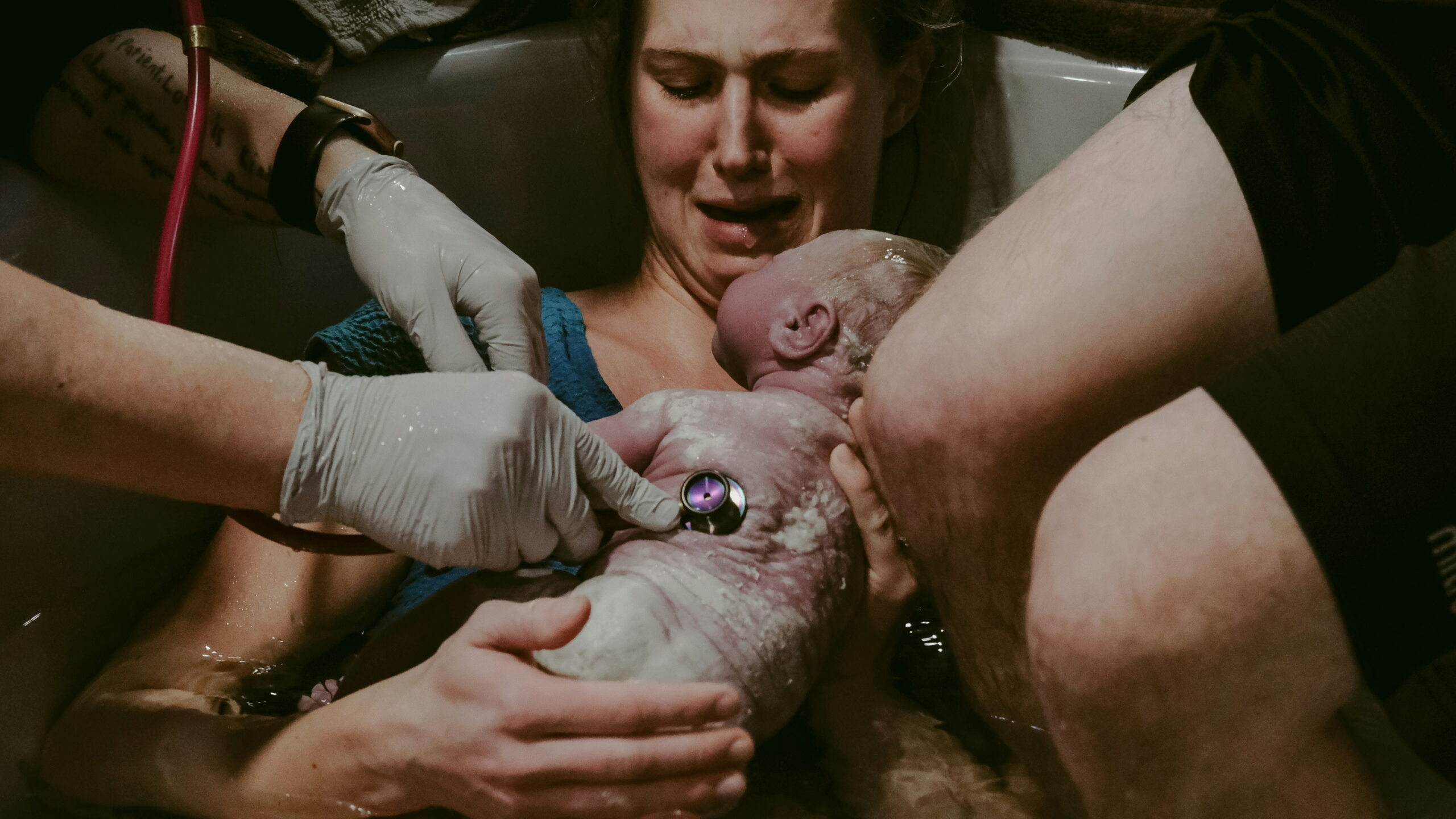
Pregnancy is filled with advice—but one of the biggest questions many parents ask is, “Should I have a normal delivery or a C-section?”
The truth is that this is often not a choice made in advance. While some births are planned as Cesarean sections (C-sections), many women who hope for a vaginal delivery may ultimately need one for the safety of themselves or their baby.
The internet is full of myths:
- “Normal delivery is always better.”
- “C-sections are the easy way out.”
- “If you’ve had one C-section, you’ll always need another.”
These statements are often incomplete or simply false.
This article explains what medical evidence tells us, what doctors consider during delivery, and what many parents are never told before labor begins.
First, There Is No “Better” Birth—Only the Safest Birth
The primary goal of every obstetric team is the same:
A healthy mother and a healthy baby.
The safest method of delivery depends on:
- The mother’s health
- The baby’s condition
- The progress of labor
- Any pregnancy complications
- Previous pregnancies and surgeries
Neither vaginal birth nor C-section is inherently superior in every situation.
What Is a Normal (Vaginal) Delivery?
A vaginal delivery occurs when the baby is born through the birth canal without major abdominal surgery.
It may happen:
- Naturally
- After induction of labor
- With pain relief (epidural)
- With assisted techniques such as vacuum or forceps if medically required
For healthy pregnancies, vaginal birth is generally recommended because it avoids major surgery and usually allows faster recovery.
What Is a C-Section?
A Cesarean section is a surgical procedure in which the baby is delivered through an incision made in the mother’s abdomen and uterus.
It may be:
Planned (Elective)
Examples include:
- Placenta previa
- Certain breech presentations
- Previous complex uterine surgery
- Some twin pregnancies
- Maternal medical conditions
Emergency
Performed when continuing labor becomes unsafe.
Common reasons include:
- Fetal distress
- Failure of labor to progress
- Umbilical cord prolapse
- Placental abruption
- Severe maternal bleeding
An emergency C-section is often lifesaving.
Myth #1: “Normal Delivery Is Always Better”
Not always.
For a healthy low-risk pregnancy, vaginal delivery often offers:
- Faster recovery
- Shorter hospital stay
- Lower surgical risks
- Less blood loss
- Lower risk of infection
However, if labor becomes dangerous, continuing a vaginal delivery may increase risks to both mother and baby.
In these situations, a C-section is the safer option.
The safest birth is not determined by preference—it is determined by clinical circumstances.
Myth #2: “C-Sections Are the Easy Way Out”
This is one of the biggest misconceptions.
A C-section is major abdominal surgery.
It involves:
- Regional or general anesthesia
- Surgical incision through multiple tissue layers
- Recovery from surgery
- Pain management
- Longer healing time
- Restrictions on lifting and activity
Many mothers recovering from C-sections are simultaneously:
- Breastfeeding
- Caring for a newborn
- Coping with surgical pain
- Managing sleep deprivation
It is not an “easy” birth.
What Nobody Tells You About Recovery
After Vaginal Delivery
Recovery is usually quicker, but it is not always painless.
Some women experience:
- Perineal tears
- Episiotomy discomfort
- Pelvic floor weakness
- Temporary urinary leakage
- Hemorrhoids
- Pain while sitting
Most recover within several weeks, although pelvic floor healing may take months.
After a C-Section
Recovery often takes longer.
You may experience:
- Pain around the incision
- Difficulty standing upright initially
- Fatigue
- Restricted movement
- Increased need for assistance during the first few weeks
Most women gradually resume normal activities over about six weeks, though complete internal healing continues for several months.
Pain During Birth vs Pain After Birth
One fact surprises many parents.
Vaginal Delivery
Labor pain is usually more intense during childbirth itself, but postoperative pain is generally less.
C-Section
Labor pain may be reduced with anesthesia, but postoperative pain from surgery is usually greater during recovery.
In other words:
Normal delivery often means more pain during birth.
C-section often means more pain after birth.
Breastfeeding: Does Delivery Method Matter?
Breastfeeding is possible after both types of delivery.
However:
After vaginal birth:
- Skin-to-skin contact may happen sooner.
- Breastfeeding often starts earlier.
After C-section:
- Breastfeeding may be delayed briefly due to surgery or recovery.
- Additional assistance with positioning may be needed.
Most mothers who undergo C-sections successfully breastfeed with proper support.
Will I Bond Less With My Baby After a C-Section?
No.
Research does not show that mothers who deliver by C-section love or bond with their babies less.
Bonding depends on:
- Skin-to-skin contact
- Responsive caregiving
- Emotional support
- Time spent together
The route of birth does not determine the quality of the parent-child relationship.
Can I Have a Normal Delivery After a Previous C-Section?
Sometimes, yes.
Many women are candidates for VBAC (Vaginal Birth After Cesarean).
Eligibility depends on:
- Type of previous uterine incision
- Number of previous C-sections
- Reason for the previous surgery
- Current pregnancy
- Hospital facilities for emergency care
Not every woman is a candidate, but many are.
This decision should always be made with an obstetrician.
Which Delivery Has More Risks?
Both have risks.
Vaginal Delivery Risks
- Perineal tears
- Pelvic floor injury
- Temporary urinary incontinence
- Instrument-assisted delivery
- Rare emergency conversion to C-section
C-Section Risks
- Infection
- Bleeding
- Blood clots
- Injury to nearby organs (rare)
- Longer recovery
- Risks in future pregnancies, such as placenta accreta spectrum and placenta previa
Neither option is risk-free.
Situations Where a C-Section May Be the Safest Choice
Doctors may recommend a Cesarean section if there is:
- Placenta previa
- Placental abruption
- Severe fetal distress
- Umbilical cord prolapse
- Failure of labor to progress despite appropriate management
- Certain abnormal fetal positions
- Active genital herpes infection during labor
- Some multiple pregnancies
- Previous uterine rupture
- Certain maternal medical conditions
These recommendations are based on reducing serious risks—not convenience.
Situations Where Vaginal Delivery Is Usually Preferred
If pregnancy is uncomplicated and the baby is healthy, vaginal delivery is generally recommended because it is associated with:
- Faster recovery
- Lower infection rates
- Reduced blood loss
- Lower risk of surgical complications
- Earlier return to normal activities
Questions Every Expecting Mother Should Ask Her Obstetrician
Instead of asking only, “Can I have a normal delivery?”, consider asking:
- Is my pregnancy considered low-risk?
- Are there any reasons I may need a C-section?
- What signs during labor would change the delivery plan?
- What pain relief options are available?
- What happens if labor doesn’t progress?
- What is the hospital’s emergency response capability?
- If I need a C-section, how will recovery be managed?
- What support is available for breastfeeding after delivery?
These discussions help families prepare for different possibilities before labor begins.
The Bottom Line
Every pregnancy is unique.
A normal vaginal delivery is often the preferred option for healthy, uncomplicated pregnancies because it generally offers a quicker recovery and avoids major surgery. However, a Cesarean section is not a failure, nor is it the “easy option.” It is a medically important procedure that can save the lives of mothers and babies when complications arise.
The best birth plan is one that remains flexible. While it is natural to have preferences, the safest decision is the one based on your health, your baby’s condition, and the clinical judgment of your healthcare team.
Rather than focusing on whether the birth is “normal” or surgical, focus on receiving high-quality prenatal care, delivering in a well-equipped hospital, and working closely with your obstetrician to make informed decisions throughout your pregnancy and labor.
Medical Disclaimer
This article is intended for educational purposes only and should not replace professional medical advice, diagnosis, or treatment. Every pregnancy is different. Always consult a qualified obstetrician or healthcare professional regarding your individual pregnancy, labor, and delivery options. Seek immediate medical care if you experience severe abdominal pain, heavy vaginal bleeding, reduced fetal movements, leakage of fluid, severe headache, vision changes, or any other concerning symptoms during pregnancy.