

Shalom Medical Team
Shalom Hospital
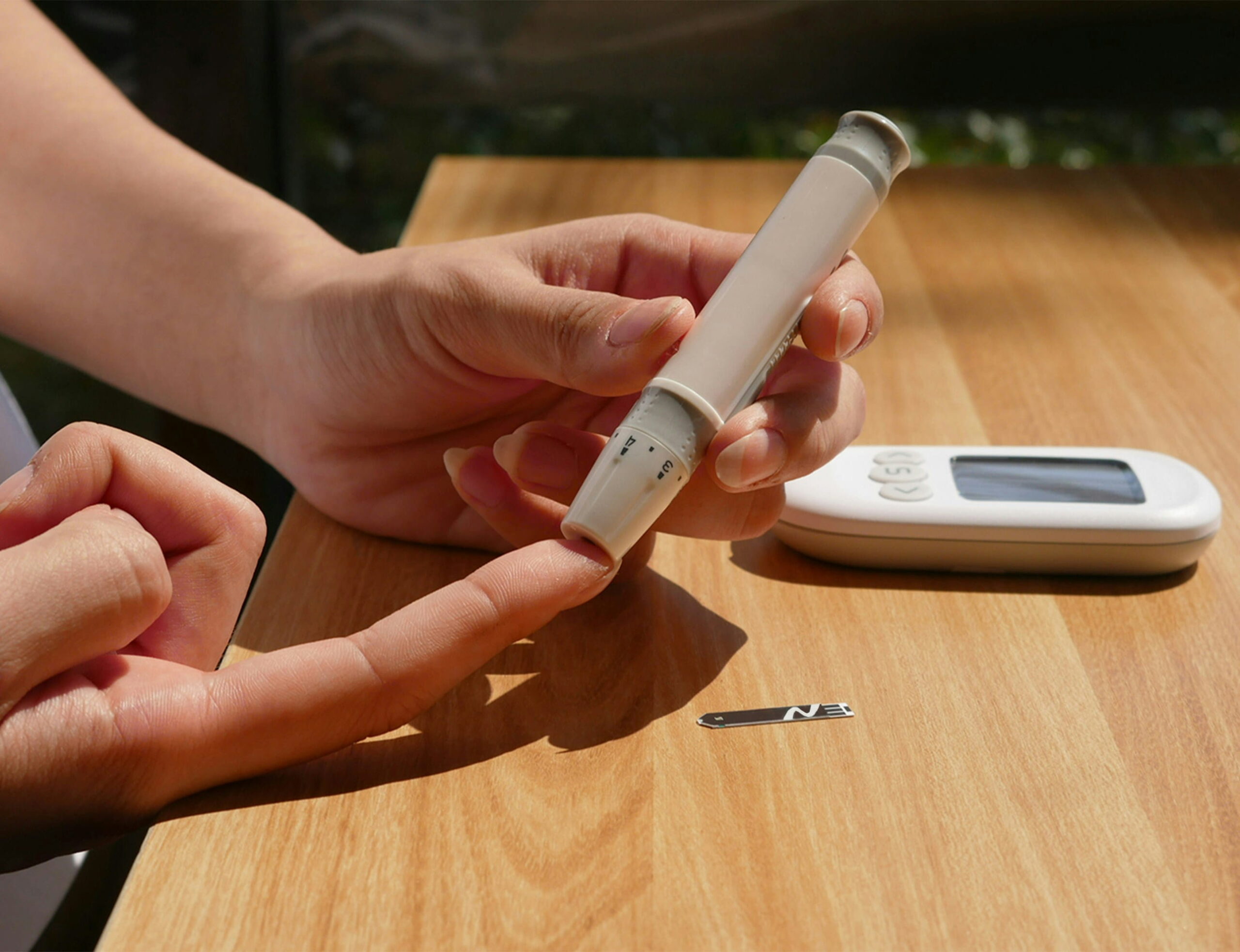
If you’ve recently had a blood test and noticed a number called HbA1c, you may be wondering:
- Is my diabetes under control?
- Am I at risk of developing diabetes?
- Can I lower this number naturally?
- How often should I check it?
The HbA1c test is one of the most important tools doctors use to understand your average blood sugar over the past few months—not just on the day of your test.
Understanding what your result means can help you make better decisions and reduce your risk of serious complications such as heart disease, kidney disease, nerve damage, and vision loss.
What Is HbA1c?
HbA1c (also called glycated hemoglobin or A1c) measures the percentage of hemoglobin in your red blood cells that has glucose attached to it.
Because red blood cells live for approximately 120 days, the HbA1c reflects your average blood sugar over the previous 2–3 months, with greater emphasis on the most recent 4–6 weeks.
Unlike a fasting blood sugar test, you do not need to fast before an HbA1c test.
Why Is HbA1c So Important?
Your blood sugar changes throughout the day depending on:
- Meals
- Exercise
- Stress
- Sleep
- Illness
- Medications
A single glucose reading only tells what is happening at one moment.
HbA1c provides the long-term picture, helping doctors determine:
- Whether diabetes is well controlled
- Whether treatment is working
- Future risk of complications
- Whether medication needs adjustment
Understanding Your HbA1c Result
| HbA1c | What It Means |
|---|---|
| Below 5.7% | Normal |
| 5.7%–6.4% | Prediabetes |
| 6.5% or higher | Diabetes (confirmed with repeat testing unless symptoms are present) |
If Your HbA1c Is Below 5.7%
This is considered a healthy range.
Keep maintaining healthy habits:
- Eat balanced meals
- Exercise regularly
- Maintain a healthy weight
- Avoid smoking
- Get adequate sleep
If you have a strong family history of diabetes, your doctor may recommend periodic testing even if your HbA1c is normal.
If Your HbA1c Is Between 5.7% and 6.4% (Prediabetes)
Prediabetes means blood sugar is higher than normal but not yet in the diabetes range.
Without lifestyle changes, many people with prediabetes develop type 2 diabetes over time. The encouraging news is that progression can often be delayed or prevented through healthy lifestyle changes.
Your doctor may recommend:
- Weight management if overweight
- At least 150 minutes of moderate physical activity per week
- A diet rich in vegetables, whole grains, legumes, and lean protein
- Limiting sugary drinks and highly processed foods
- Regular follow-up testing
Some people at particularly high risk may also be advised to take medication such as metformin, depending on age, body weight, and other medical conditions.
If Your HbA1c Is 6.5% or Higher
This result suggests diabetes, but the diagnosis is usually confirmed with repeat testing unless you have classic symptoms of high blood sugar or other confirmatory test results.
Management typically includes:
- Individualized dietary advice
- Regular exercise
- Blood sugar monitoring when appropriate
- Medication if prescribed
- Regular follow-up with your healthcare provider
The goal is not simply to lower HbA1c—it is to reduce the risk of complications while avoiding episodes of low blood sugar.
What HbA1c Targets Do Doctors Usually Aim For?
Treatment targets vary based on age, overall health, pregnancy, and other medical conditions.
For many non-pregnant adults with diabetes, an HbA1c target of below 7% is commonly recommended.
However:
| Patient | Possible Target |
|---|---|
| Younger adults without significant medical conditions | Around 6.5–7% if safely achievable |
| Most adults with diabetes | Below 7% |
| Older adults or those with multiple health conditions | Less stringent targets such as below 7.5–8% may be appropriate |
Never change your medications to reach a specific number without medical advice.
Can You Lower HbA1c?
Yes.
Even a reduction of 0.5–1% can meaningfully reduce the risk of diabetes-related complications.
Effective ways include:
1. Improve Your Diet
Focus on:
- Vegetables
- Whole grains
- Lentils and beans
- Fruits in appropriate portions
- Lean protein
- Healthy fats such as nuts and seeds
Limit:
- Sugary beverages
- Sweets
- Refined flour products
- Ultra-processed snacks
2. Exercise Regularly
Aim for:
- At least 150 minutes of moderate aerobic activity each week
- Strength training at least 2 days per week, if appropriate
Even a brisk walk after meals may help improve blood sugar control.
3. Take Medicines Exactly as Prescribed
Skipping medication can result in persistently elevated blood sugar.
If you experience side effects, discuss them with your doctor rather than stopping treatment on your own.
4. Manage Your Weight
For people who are overweight or obese, even modest weight loss can improve insulin sensitivity and lower HbA1c.
5. Sleep Well
Poor sleep and conditions such as obstructive sleep apnea can negatively affect blood sugar control.
Adults should generally aim for 7–9 hours of quality sleep per night.
6. Reduce Stress
Chronic stress can increase hormones that raise blood sugar.
Helpful approaches include:
- Regular physical activity
- Relaxation techniques
- Mindfulness
- Adequate sleep
- Seeking support when needed
Symptoms of High Blood Sugar
Many people have no symptoms initially.
When symptoms occur, they may include:
- Increased thirst
- Frequent urination
- Fatigue
- Blurred vision
- Slow-healing wounds
- Unexplained weight loss
- Recurrent infections
If you experience these symptoms, consult your healthcare provider promptly.
How Often Should HbA1c Be Checked?
General recommendations:
| Situation | Testing Frequency |
|---|---|
| Stable diabetes meeting treatment goals | Every 6 months |
| Treatment changes or not meeting goals | Every 3 months |
| Prediabetes | Usually every 1–2 years, or as advised by your doctor |
| Normal results with risk factors | Periodically based on medical advice |
When HbA1c May Not Be Accurate
HbA1c is highly useful, but certain conditions can affect the result.
Examples include:
- Iron deficiency anemia
- Vitamin B12 or folate deficiency
- Recent blood transfusion
- Significant blood loss
- Chronic kidney disease
- Certain hemoglobin disorders (such as sickle cell disease or thalassemia)
- Pregnancy (alternative tests may be preferred in some situations)
Always let your doctor know if you have any of these conditions.
Common Myths About HbA1c
Myth: I don’t need to fast.
True. HbA1c can usually be measured at any time of day without fasting.
Myth: If my fasting sugar is normal, my HbA1c must also be normal.
False. Some people have normal fasting glucose but elevated blood sugar after meals, leading to a higher HbA1c.
Myth: One healthy week before the test will dramatically lower my HbA1c.
False. HbA1c reflects blood sugar over approximately the previous 2–3 months, so short-term changes have only a limited effect.
Myth: The lower the HbA1c, the better.
Not always. Very low HbA1c achieved through frequent episodes of hypoglycemia can be harmful. Treatment goals should be individualized.
Frequently Asked Questions
Can HbA1c return to normal?
Yes. Many people with prediabetes—and some people with type 2 diabetes early in the disease course—can achieve normal or near-normal HbA1c through sustained lifestyle changes and appropriate medical care.
Does eating sweets the day before the test affect HbA1c?
Not significantly. HbA1c reflects average blood glucose over weeks to months, not a single day’s intake.
Is HbA1c enough to diagnose diabetes?
No. Diagnosis should be made by a healthcare professional using appropriate criteria, which may include repeat HbA1c testing, fasting plasma glucose, random plasma glucose in the presence of symptoms, or an oral glucose tolerance test.
Key Takeaways
- HbA1c measures your average blood sugar over the previous 2–3 months.
- Below 5.7% is considered normal.
- 5.7–6.4% indicates prediabetes.
- 6.5% or higher suggests diabetes and usually requires confirmation unless accompanied by clear symptoms.
- Most adults with diabetes aim for an HbA1c below 7%, but targets should be individualized.
- Healthy eating, regular physical activity, maintaining a healthy weight, adequate sleep, and taking medications as prescribed can all help improve HbA1c.
- Regular follow-up with your healthcare provider is essential to reduce the risk of long-term complications.
A Final Word
An HbA1c result is more than just a number—it provides valuable insight into your long-term blood sugar control and overall health. Whether your result is normal, in the prediabetes range, or indicates diabetes, early action and consistent management can significantly reduce the risk of future complications.
If you have questions about your HbA1c or need guidance on managing diabetes or prediabetes, consult your physician. Personalized advice based on your medical history, medications, and overall health is the best way to achieve safe and effective blood sugar control.
Medical Disclaimer: This article is intended for educational purposes only and should not replace professional medical advice, diagnosis, or treatment. Always consult a qualified healthcare professional regarding your individual health concerns.